On a hot afternoon, the air conditioner can be one of the largest electricity users in a room. It does not make heat disappear: it uses electricity to move heat from indoors to outdoors. How much electricity that requires depends on both the machine and the room it is cooling.
This is a growing regional question. The International Energy Agency’s October 2026 Southeast Asia report estimates that cooling demand has doubled since 2015 and accounts for around 13% of the region’s electricity demand. That is a regional estimate for cooling, not the share of every household’s bill.
Follow the heat
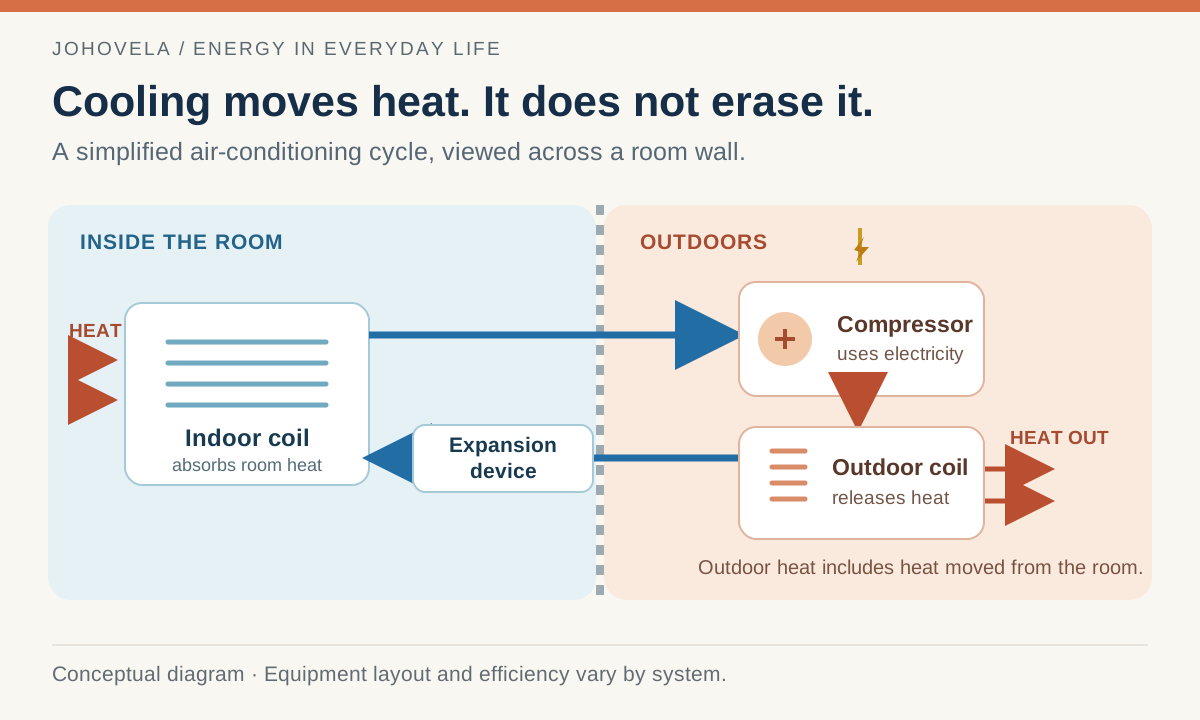
A typical air conditioner circulates a refrigerant through a closed system. An indoor heat exchanger absorbs heat from the room; a compressor uses electricity to drive the cycle; an outdoor heat exchanger releases heat outside. The expansion device helps prepare the refrigerant to repeat the cycle. The Building America Solution Center, supported by the US Department of Energy, explains the refrigerant cycle and its components.
The outdoor unit releases the heat taken from indoors plus energy added by the system. Air conditioning can also remove moisture from indoor air. Heat, humidity, sunlight, insulation, air leakage and how many people use the room all influence the work required to maintain comfort.
An air conditioner is therefore not comparable to a simple electric heater that turns electrical energy into heat in the same room. Its cooling output describes heat moved, not electricity generated or cold created as a fuel.

Separate capacity from efficiency
Cooling capacity describes how quickly a unit can remove heat under stated conditions. You may see it expressed in British thermal units per hour (BTU/h) or kilowatts of cooling. Electrical power, commonly shown in watts or kilowatts, describes the rate of electricity use. They are related but are not interchangeable.
An efficiency rating compares cooling delivered with electrical energy used under a defined test method. For a useful comparison, check that products use the same rating system, units and conditions. The US Department of Energy explains that its SEER2 rating describes seasonal cooling efficiency for certain equipment; labels and test methods in other countries may differ. Do not compare a number from one standard directly with a number from another without checking what each measures.
Here is a made-up example of energy use, not a product rating: a device drawing a constant 1 kilowatt for five hours uses 5 kilowatt-hours of electricity. A real variable-speed unit will not necessarily draw the same power for the whole time. To estimate a bill, you would also need the local tariff, actual power use and hours of operation.
Does a bigger unit always cool better?
No. An undersized unit may struggle to maintain a comfortable room, but oversizing has drawbacks too. ENERGY STAR’s room-air-conditioner guidance notes that a very large unit may cool the air quickly without removing enough humidity. Sizing depends on more than floor area: heat from windows, the building, occupants and local climate matter.
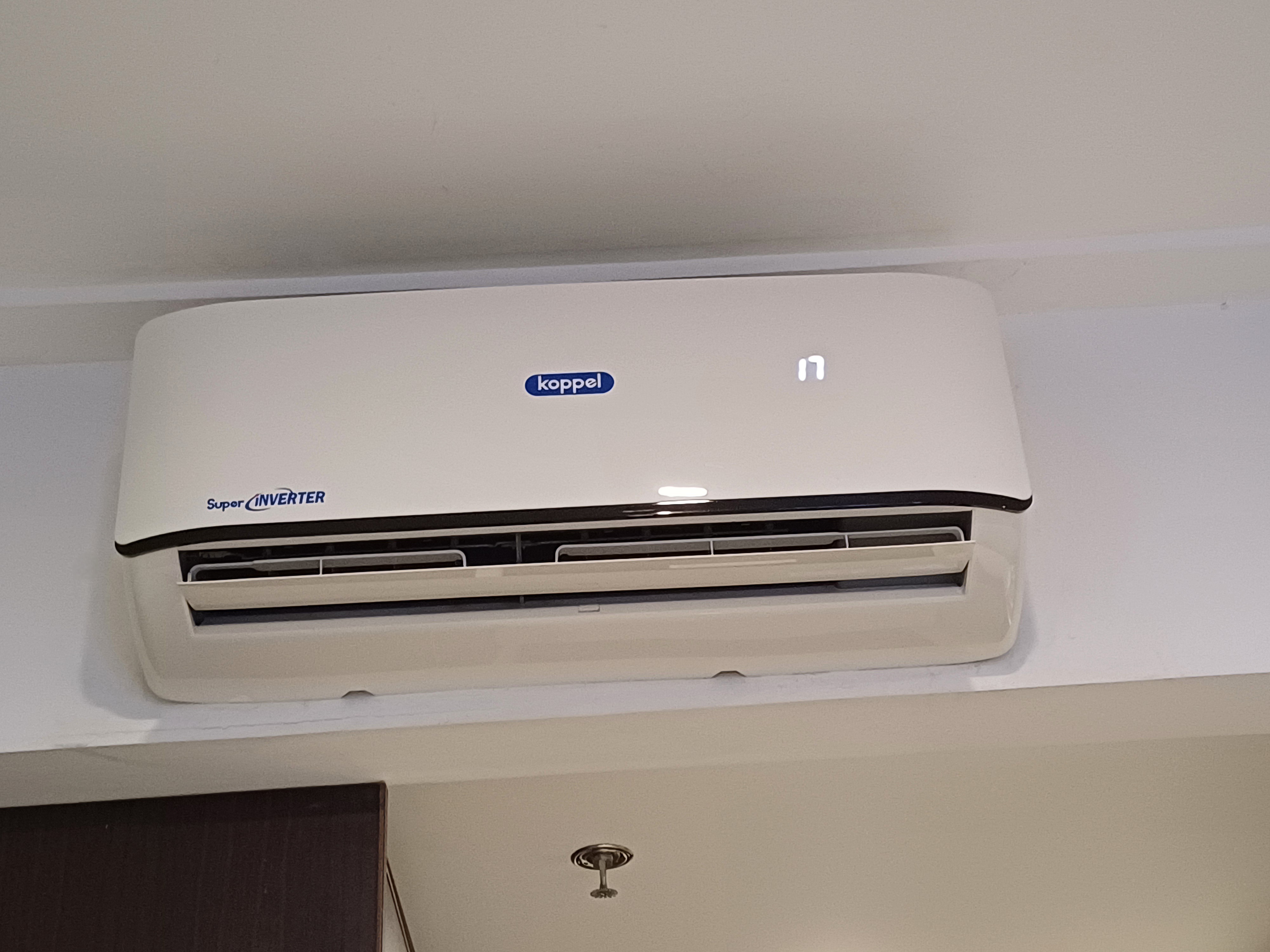
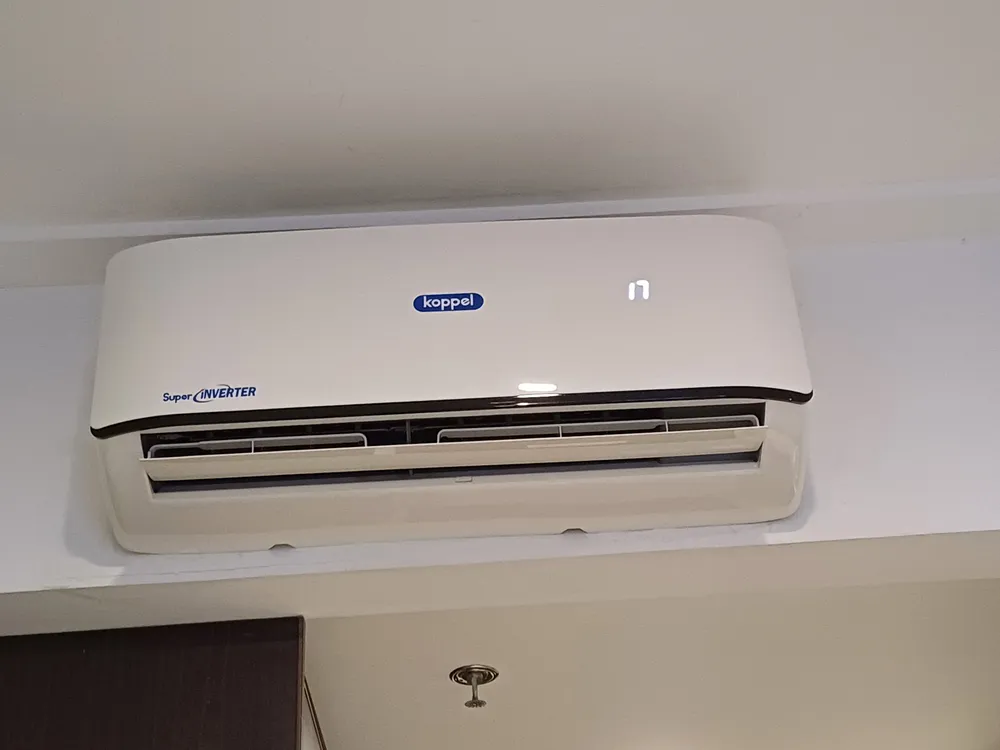
A variable-speed compressor can adjust output instead of only switching between full power and off. That can improve efficiency at partial load, but the size of any saving depends on the model, installation and operating conditions. An inverter label alone is not a guarantee of a particular bill reduction.
What can a reader check?
Start with a properly sized unit and a locally relevant efficiency label. Compare models using the same test standard. Ask an installer about the room’s sun exposure, insulation and placement, and follow the manufacturer’s maintenance guidance. Shading unwanted sun and limiting avoidable air leaks can reduce the heat entering a room; how much they save varies.
Comfort and health matter too. A higher thermostat setting that remains comfortable can reduce cooling demand, but there is no single safe temperature for every person, building or heat event. The goal is useful cooling with less wasted energy, not a promise that one setting or one machine will fit everyone.
Keep the evidence in view.
Illustrative calculations do not predict an electricity bill. Local rating systems, room conditions and actual equipment performance differ.
Technical sources checked: . Our source check: . This is an AI-assisted editorial explanation, not an independently reproduced experiment.
Sources & further reading
- International Energy Agency, October 2026Energy Technology Supply Chains in Southeast Asia: Southeast Asia in the Age of Electricity
- ENERGY STARRoom air conditioner buying guidance
- US Department of EnergyPurchasing Energy-Efficient Residential Central Air Conditioners
- Pacific Northwest National Laboratory, Building America Solution CenterAir Conditioning: Refrigerant Cycle and Efficiency